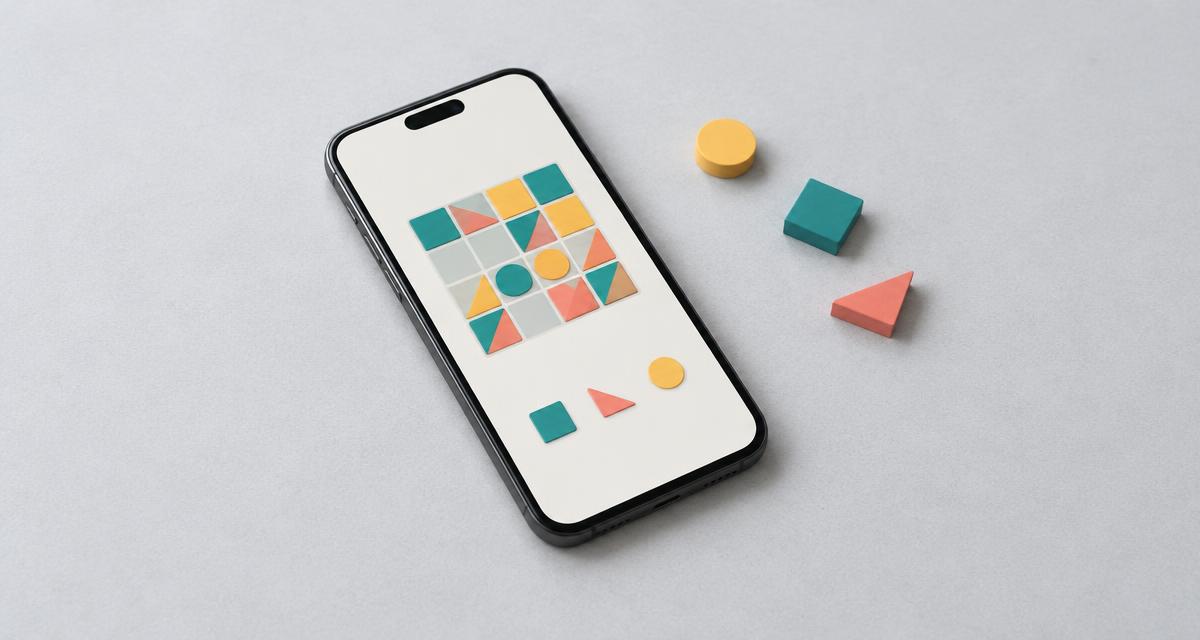
Fun means different things to different players. Some enjoy a quiet puzzle, others like a quick race, and some prefer exploring a world with friends. There is no single formula, but a few design choices can make a mobile game feel more satisfying to play.
Simple controls, interesting choices
A touchscreen works well when actions feel natural. Tapping a tile, dragging a piece or swiping to steer should produce a clear, predictable result. When the controls are easy to understand, players can focus on the game rather than figuring out how to use it.
Simple does not have to mean shallow. A puzzle with only one type of movement can still offer many possible solutions. The enjoyment comes from deciding what to do, not from struggling to make the phone do it.
A challenge that feels fair
A satisfying challenge gives players room to learn. Early levels can introduce an idea, while later ones combine it with something new. Clear feedback helps a player understand what worked and what they might try differently next time.
Difficulty preferences vary. Optional hints, adjustable settings and the chance to retry can make a game more welcoming without removing its challenge. Progress feels meaningful when it reflects practice or a new understanding of the rules.
Little details that bring play to life
A gentle sound when a piece clicks into place, a readable animation or a character's playful reaction can give an action a pleasing finish. These details help explain what is happening as well as adding personality.
Good presentation also means clarity. Legible text, distinguishable shapes and options to reduce motion or turn off sound can help more people enjoy the experience. A game does not need elaborate graphics to feel carefully made.
Room for curiosity and creativity
Discovering a new route, building something personal or finding an unexpected solution can be enjoyable in its own right. Games that allow experimentation give players a reason to pay attention beyond simply completing the next level.
Social play can add another dimension, whether that means solving a problem together or sharing something you made. It works best when participation is optional and communication tools support a respectful environment.
A good place to pause
Mobile play often fits into short breaks. Clear stopping points, saved progress and the ability to pause make those sessions easier to enjoy. A thoughtful game respects a player's time rather than making stepping away feel like a penalty.
Before downloading, check the age rating, permissions, advertising and any in-app purchases. Spending money is not a requirement for having fun. Choose experiences that suit your interests and budget, and take breaks when you want to.
The takeaway
What makes a mobile game fun is less about its size or spectacle and more about how it feels to play. Understandable controls, fair challenges, creative possibilities and respectful pacing can turn a small moment of play into a genuinely enjoyable one.